Recurring clogged drain: when should you get a camera inspection?
A Clogged drain that often comes back is not usually a simple coincidence. When a sink, toilet, shower, floor drain, or main drain clogs repeatedly, it can indicate a deeper problem in the plumbing: grease buildup, roots, settling, inadequate slope, damaged pipe, or a partial obstruction that was never completely removed.
In many cases, drain unclogging solves the problem immediately, but only temporarily. If the water starts draining slowly again a few days or a few weeks later, it becomes important to understand why the blockage keeps coming back. That’s where a camera inspection can make all the difference.
In this article, you will see the common causes of a repeatedly clogged drain, the signs to watch for, and situations where a simple drain unclogging may suffice and when it is preferable to inspect the inside of the pipe with a camera.
Why does a drain clog repeatedly?
A drain can get clogged once because of normal use, a buildup of hair, too much paper, or an object blocking the flow. However, when a clogged drain keeps coming back, it is important to ask whether the pipe is truly clear or whether a more serious cause is present.
Recurring clogs are often linked to an obstruction that always reforms in the same place. This can happen in a kitchen pipe where grease accumulates, in a bathroom where hair and soap stick to the walls, or in a main drain where roots, deposits, or a poor slope slow down evacuation.
The problem can also stem from aging pipes. In some homes, especially when the plumbing is old, the inside of the pipes can become rougher over time. Residue then adheres more easily, increasing the risk of blockages.
A clog can restore flow, but if the cause remains in place, the problem will return. That's why it's important to distinguish between a temporary clog and a recurring problem that warrants a more thorough diagnosis.
Common causes of a frequently recurring clogged drain
Several causes can explain why a drain gets clogged again and again. Some are simple to fix, while others require a more thorough inspection.
Fat accumulation in pipes
In a kitchen, grease is one of the most frequent causes of a repeatedly clogged drain. Even when grease is liquid at the time of disposal, it can cool in the pipe, stick to the walls, and trap other food debris.
Over time, the useful diameter of the pipe decreases. Water still flows, but more slowly. Then, a small surplus of residue can be enough to completely block the flow.
Hair, soap, and residue in the bathroom
In a shower, bathtub, or sink, hair, soap, toothpaste, body oils, and grooming products can form a gradual buildup. The drain might seem clear after maintenance, but if residue remains lodged further down the pipe, the problem can quickly return.
Wipes, paper, and non-dissolvable items
Toilets are designed to receive human waste and toilet paper. Wipes, paper towels, sanitary products, cotton swabs, and other non-dissolvable items can get stuck in the pipes or accumulate with other materials. Even products sold as “flushable” can cause problems in pipes and sewer systems.
When a toilet or main drain repeatedly clogs, it's important to check if the pipe is simply blocked or if a deeper obstruction is causing the buildup.
Roots in the main drain
Roots can enter a cracked, poorly jointed, or aging pipe. Once inside, they trap debris and reduce the available space for flow. The result can be a clogged main drain which comes back often, sometimes after every heavy rain or after significant water usage in the house.
In this type of situation, a camera inspection is often useful to confirm the presence of roots, locate the problematic area, and avoid repeating clogs without understanding the cause.
Saggy, cracked, or misaligned ductwork
A pipe can be damaged by age, ground movement, previous work, frost, roots, or poor installation. When a section sags or is misaligned, waste and water no longer flow properly. Deposits accumulate in the same spot, and the drain clogs.
A clearing can open a temporary passage, but it doesn't fix a collapsed or broken pipe. In such cases, a camera allows you to see the actual condition of the piping.
Inadequate slope or belly in the pipeline
A drain pipe must have a sufficient slope to allow water and matter to flow. If a section retains water, it is often referred to as a “sag” in the pipe. Residue can then accumulate in this area, causing repeated blockages.
This type of problem is difficult to confirm without a visual inspection of the drain's interior. A camera can help identify where water is pooling or where buildup is forming.
What signs indicate that a clogged drain is hiding a more serious problem?
A single slow drain isn't always a serious problem. However, certain signs should catch your attention, especially when they recur or affect multiple fixtures at the same time.
- Water backs up in the shower, tub, or floor drain.
- The toilet gurgles when you use the sink, washing machine, or shower.
- Several drains are becoming slow at the same time.
- A sewer smell is returning to the house.
- The drain is clogged again shortly after being cleared.
- The problem mostly reappears after heavy rain or snowmelt.
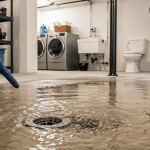
- The basement shows signs of moisture, water, or backup near a floor drain.
When several devices are affected, the problem is often further down the drainage system, sometimes at the main drain. In this case, prompt action can prevent a larger backup.
If you already have water backing up, a strong sewer odour, or a floor drain that is overflowing, it is best to request service without waiting through the contact page or the appropriate drain unclogging service.
When is a drain unclogging sufficient?
A drain unclogging service may be enough when the problem is recent, localized, and clearly related to a specific use. For example, a sink draining slowly because of visible hair near the trap, a kitchen sink blocked after a buildup of grease, or a toilet clogged after too much paper can often be fixed without a camera inspection.
In these cases, the goal is to remove the obstruction, restore flow, and verify that the drain empties properly. If the problem doesn't return, a complete inspection isn't always necessary.
However, if the same drain clogs up quickly, if multiple fixtures are affected, or if the plumber notices unusual resistance in the pipe, it may be best to proceed with a camera inspection.
When should a camera inspection be performed?
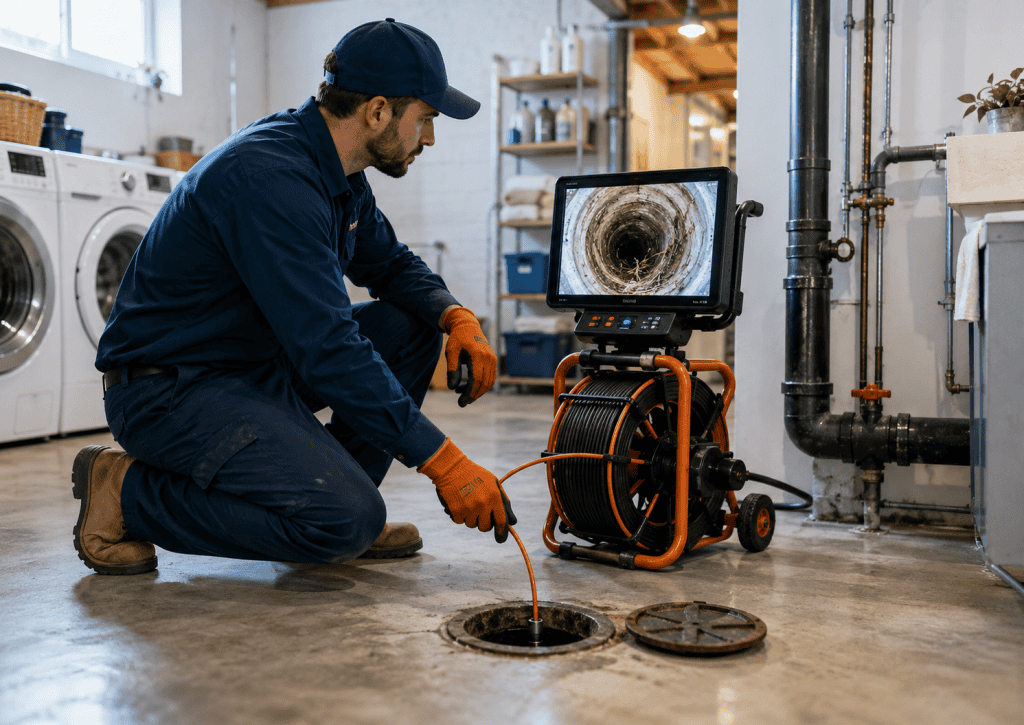
A camera inspection becomes useful when it is necessary to see what is happening inside the pipe. It can help locate a blockage, check the condition of the drain, identify buildup, confirm the presence of roots, or detect a sagging or damaged section.
It is particularly recommended to consider a camera inspection in the following situations:
- The drain clogs several times in the same place.
- A blockage was cleared, but the problem quickly returns.
- The main drain appears to be clogged.
- There are persistent sewage odors.
- Roots are suspected in the plumbing.
- The house is old or the plumbing has never been inspected.
- There was a backup in the basement.
- You are planning renovation work and want to check the condition of the drains before closing up a floor or walls.
Camera inspections don't always replace drain unclogging. In many cases, the two services complement each other: unclogging restores flow, and then the camera helps understand why the problem occurred and if it's likely to return.
How does a drain camera inspection work?
A camera inspection involves inserting a specialized camera into the pipe from an appropriate access point, such as a cleanout, drain, accessible pipe, or a dedicated access point. The camera allows for real-time visualization of the pipe's interior.
The plumber can then observe the condition of the pipe, locate a blockage, confirm the presence of roots, check if a section is cracked or collapsed, and pinpoint the problematic spot more precisely.
Depending on the situation, the inspection can be done before clearing the clog, after clearing the clog, or during a more comprehensive system check. In some cases, the pipe must first be cleared sufficiently to allow the camera to pass properly.
The goal is to avoid guesswork. Instead of repeating interventions without knowing what's causing the blockage, the camera allows for a clearer decision: cleaning, repair, replacement of a section, installation of a valve, preventive maintenance, or simple monitoring.
Camera inspection or unclogging: which service to request first?
The right choice depends on the situation. If water is no longer draining at all, unclogging is often a priority to restore normal plumbing use and reduce the risk of backups. If the drain is still working, but the problem occurs frequently, a camera inspection may be requested sooner to understand the cause.
Here's a simple way to look at it:
- Completely clogged drain: Unclogging as a priority, then camera inspection if the problem seems deeper.
- Recurring drain: Camera inspection is highly recommended to avoid repeated interventions.
- Refoulement in the basement Emergency unclogging, inspection, and verification of backflow prevention according to the situation.
- Persistent sewer odors: Plumbing inspection, traps, drains, and sometimes camera inspection.
- Old house or suspicious behavior: useful inspection to confirm the condition of the network before investing in further work.
When a backup is linked to a risk of sewage backup, it may also be relevant to check the presence and condition of a check valve, especially for devices located below street level or in a basement.
Why avoid repeated uncloggings without a diagnosis?
Repeated drain unclogging without a diagnosis can end up costing more than a targeted inspection. If the problem keeps coming back, each intervention only addresses the symptom. The cause, however, remains in the pipe.
In some cases, the clog reforms because a section of the pipe retains debris. In others, roots continue to grow into the conduit. There can also be misalignment, insufficient slope, or a malfunctioning valve. Without a camera, these problems can go unnoticed.
An inspection also helps avoid unnecessary work. For example, if the pipe is in good condition and the problem is mainly due to insufficient maintenance, appropriate cleaning and better habits may suffice. Conversely, if a pipe is damaged, it's better to know it before undertaking multiple temporary repairs.
How to prevent recurring clogged drains?
Prevention doesn't solve all problems, especially if a pipe is damaged or roots are present. However, some habits reduce the risk of frequent clogs.
- Avoid pouring grease or oil down the sink.
- Throw wipes, paper towels, and sanitary products in the trash, even if they are labeled “flushable.”.
- Use a drain cover in sinks, tubs, and showers to catch hair.
- Do not let food scraps go down the kitchen drain.
- Have a gurgling, backing up, or persistently smelly drain checked.
- Monitor the basement for signs of moisture, especially near floor drains.
If you've experienced a backup or if your main drain tends to clog, preventive maintenance or a one-time inspection can help you better understand the condition of the pipe.
When to call a plumber for a recurring clogged drain?
It is best to call a plumber as soon as the problem repeats itself, especially if several drains are affected or if the water starts backing up. The longer the intervention is delayed, the greater the risk of overflow, water damage, and basement damage.
A Clogged drain that often comes back warrants a serious evaluation. Depending on the situation, the plumber may recommend a drain cleaning, camera inspection, main drain check, pipe correction, or backflow prevention measure.
Plomberie Urgence offers drain unclogging services and camera inspection services to help identify the cause of the problem and restore normal drainage. You can also view all our plumbing services depending on the type of work needed.
FAQ – Clogged drain keeps coming back
Why does my drain always clog in the same spot?
A drain that consistently clogs in the same spot can indicate persistent buildup, inadequate slope, a collapsed section, roots in the pipe, or an obstruction that was never fully removed.
If the problem returns quickly after unclogging, it is often better to do a our camera inspection services, in order to see what is actually happening inside the drain.
When should you get a camera inspection for a clogged drain?
A camera inspection is recommended when a drain repeatedly clogs, when multiple fixtures drain slowly, when there are persistent sewer odors, or when a backup has previously occurred.
It is also useful if the plumber suspects a deeper problem in the main drain, such as roots, a cracked pipe, sagging, or an obstruction further down the line.
Can a simple unclogging fix the problem?
Yes, a simple drain unclogging may be sufficient if the clog is recent, localized, and caused by a normal buildup of hair, soap, grease, or paper.
However, if the same drain clogs again after a few days or weeks, the unclogging is probably only addressing the symptom. In this case, an inspection can help identify the cause of the problem.
Can a camera inspection detect roots in a drain?
Yes. A camera inspection can help confirm the presence of roots in a pipe, especially when a main drain frequently clogs or the problem recurs in the same spot.
Roots can enter through a crack, a weakened joint, or an old pipe. Once inside the drain, they trap debris and promote recurring blockages.
Should the camera inspection be done before or after the unclogging?
It depends on the situation. If the drain is completely blocked and water is no longer flowing, clearing it is often a priority to restore drainage.
In some cases, an inspection can be done after unclogging to check the condition of the pipe and understand why the clog formed. If the drain is still partially functional, a camera can sometimes be used earlier in the diagnosis.
Is a gurgling drain a sign of a serious problem?
A gurgling drain can indicate a ventilation problem, a partial obstruction, or a slowdown in the pipe. It's not always an emergency, but if the noise occurs frequently or affects multiple fixtures, it should be taken seriously.
When the toilet gurgles while the shower, washing machine, or sink is running, the problem may be further down the drain system.
What to do if water is backing up from the floor drain?
If water is backing up through a floor drain, it could be a backup or a problem with the main drain. You should avoid using any more water in the house, especially the washing machine, shower, tub, and toilet, until the situation is checked.
In this type of situation, rapid intervention is recommended. It may also be relevant to check the presence and condition of a check valve if the problem is related to a risk of sewage backup.
How to prevent a clogged drain from recurring often?
Avoid pouring grease down the sink, throw wipes and paper towels in the trash, use a strainer to catch hair, and watch for signs like sewer odors, gurgling, or slow drains.
If the drain continues to clog despite good habits, the problem is likely deeper. A camera inspection can then help determine if the pipe is blocked, damaged, or improperly sloped.
Sources and references
- Régie du bâtiment du Québec. Clapets antiretour.
- City of Montréal. Protecting your building from heavy rains.
- Corporation des maîtres mécaniciens en tuyauterie du Québec.. How to prevent wastewater backup?
- CAA-Québec. Drainage and Foundation Guide: Prevent or Repair?
- Canadian Water and Wastewater Association. To avoid a sewage backup, don't treat your toilet like a trash can..